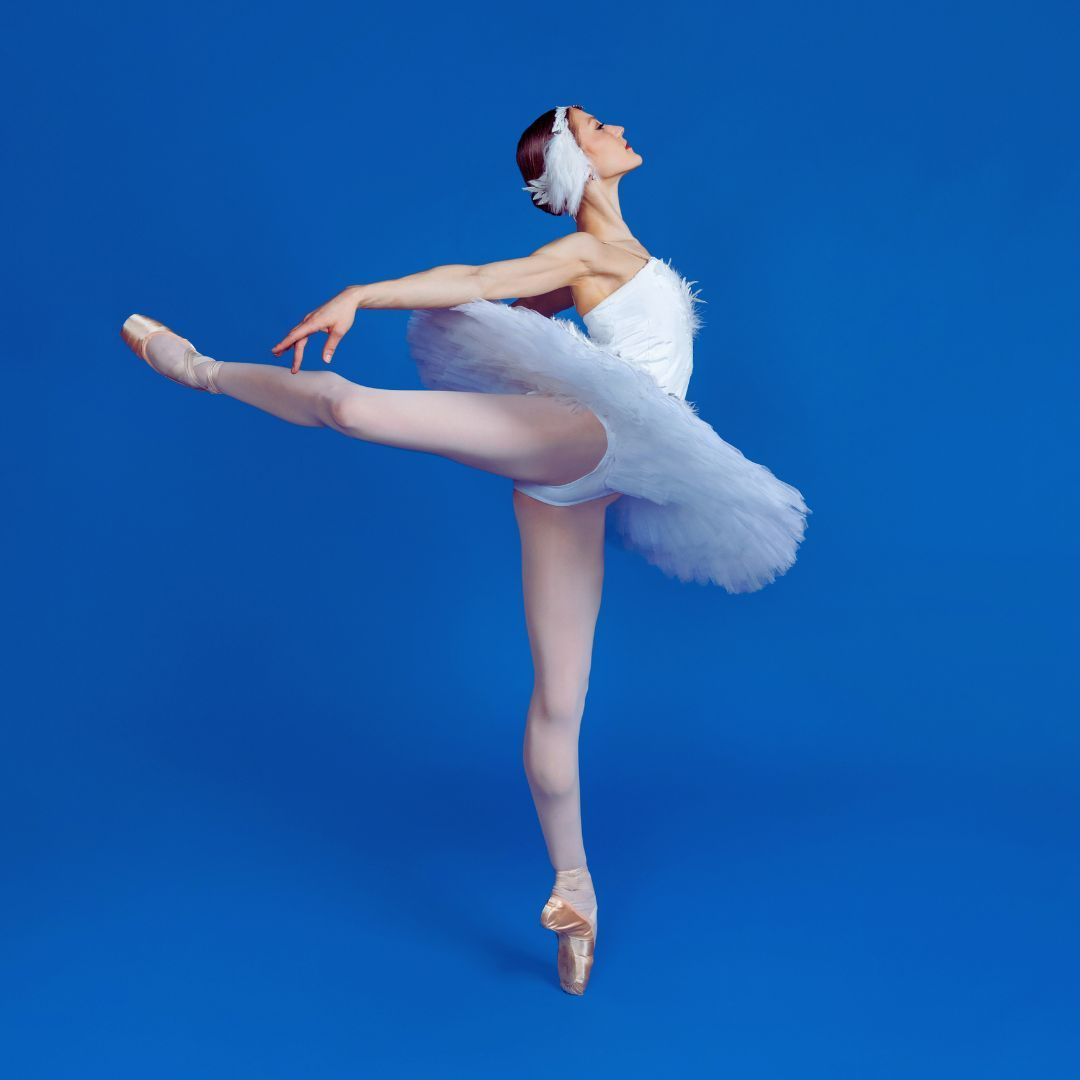
Passion. Artistry. Engagement. Step into the World of Lauren Yordanich Ballet Arkansas is known for its dynamic and diverse repertoire, and company artist Lauren Yordanich is ready to bring the spring season’s productions of "Nouveau" and "A Midsummer Night's Dream" to life with her signature grace and artistry. As she embarks on her sixth season with the company, Lauren shares insights into her journey, inspirations, and the evolving world of ballet. Read on to discover her thoughts in her own words.
1. Ballet Arkansas is known for its dynamic and diverse repertoire. What excites you most about this season’s productions? Ballet Arkansas’s current season excites me because of the diverse range of stories we are bringing to the stage, including A Midsummer Night’s Dream, Romeo and Juliet, and Carmen. This season marks my first time dancing in Carmen and Romeo and Juliet, stepping into these new characters is challenging and exciting. Beyond the story ballets, I’m looking forward to our Nouveau production in April, which will showcase contemporary works and offer a fresh exploration of movement. With a balance of classical and modern pieces, this season has something for everyone while highlighting the versatility and artistry of Ballet Arkansas’s dancers. 2. Every dancer has a role that feels like home. Is there a particular ballet or character that resonates deeply with you? I enjoy pushing myself by exploring contemporary movement, but I feel most at home in classical ballets. Swan Lake and Giselle resonate with me deeply, I’ve had the privilege of performing Odette/Odile as a professional with Ballet Arkansas and Giselle as a student. Both roles embody a softness and depth of emotion that I find incredibly beautiful and rewarding to explore. There is always more to discover within these characters, and through rehearsal and performance, I find myself investing parts of myself into becoming them. 3. Touring and community outreach performances present unique challenges and rewards. How do you adapt to performing in new venues and keep your artistry fresh? Touring and community outreach performances are both rewarding and fulfilling, offering the chance to connect with new audiences. While I'm always focusing on executing each step, I know that what resonates most with the audience is often the storytelling, emotions, and nuances of the performance. Paying attention to details like timing and characterization helps keep the work fresh and engaging for both me and the audience. When performing in a new venue, I try to maintain my usual performance day routine as much as possible. Pre-show rehearsals are essential for getting acclimated to the stage and its differences. Taking the time to adjust allows me to feel more grounded and confident, even in a less familiar environment. 4. Company life demands intense discipline—what does a typical rehearsal day look like for you, and how do you maintain peak performance? A typical rehearsal day begins with company class at 9 a.m., which provides an opportunity to warm up, refine technique and focus on artistry before starting rehearsals. From there, we rehearse for upcoming performances until our day ends at 4 p.m. My schedule varies depending on casting for our upcoming repertoire. When I’m not called for rehearsals, I use the time to review material, cross-train, or focus on recovery to stay prepared for the days ahead. After my rehearsal day at Ballet Arkansas, I am usually planning and teaching classes in the evenings before winding down for another day. 5. Ballet is evolving rapidly. How do you see the art form shifting, and where do you see yourself and fellow artists within this new and shifting landscape? While timeless classics like Swan Lake, The Sleeping Beauty, and Giselle will always have a strong presence in the dance world, ballet companies are increasingly incorporating contemporary and mixed-repertoire programs into their seasons. With this shift, dancers must be versed in contemporary and modern movement styles while maintaining the technique that is demanded out of the classical ballets. Often, we are expected to transition between classical and contemporary works within the same rehearsal day or performance. The need and ability to execute both is creating a new demand from dancers. It is growing our range and challenging us to become more than just a classical ballerina. 6. Artists often find inspiration beyond the studio. What influences outside of ballet help shape your movement and perspective? As an artist, I am shaped by many influences. Drawing from past experiences helps influence my perspective, particularly in character roles. While I may not always have a direct personal connection to a character’s circumstances, I can pull from past moments of joy, anger, or sadness to bring authenticity to my portrayal. Music is also a significant source of inspiration. I enjoy exploring different artists and genres, and I find that music influences me most when I allow myself to listen with an open mind—whether on a walk in nature or during a quiet car ride. In those moments, I often feel the urge to create movement, either physically or through mental visualization of dance phrases. Further, as a dance teacher, I am continually inspired by the dancers I teach. Watching their growth and exploration of movement motivates me to keep challenging them, which in return pushes me to explore new ways of moving outside my own comfort zone. 7. What’s a piece of advice or a lesson from a mentor that has stayed with you throughout your career? Throughout my career and training, I have been fortunate to receive encouragement and guidance from teachers and dancers I admire. As a young dancer uncertain of my potential, their support motivated me to push my training and ultimately gave me the confidence to pursue a professional career. Not every dancer receives this kind of encouragement early on, and at times, I have had to seek it out myself. However, finding mentors who uplift, challenge, and encourage me has been invaluable. Although it is not one specific piece of advice or lesson, the collective impact of these individuals has played an influential role in shaping the artist I am today. 8. Dancers face both physical and mental demands. How do you approach self-care, recovery, and longevity in a career that requires resilience and strength? When our schedules become intense in the studio and during performances, the physical demands on my body can be high. During these periods, I prioritize recovery and take time to reflect on my progress, focusing on areas for improvement in the days ahead. We’re fortunate to have a fantastic care team at Ballet Arkansas, which I utilize throughout the season to help me perform at my best. When my schedule allows, I use the opportunity to strengthen weaknesses through cross-training. I like to mix up what I’m doing, incorporating different exercises depending on whether I want to focus on strength, stability, or flexibility. Longevity in such a demanding field requires a balance between dedicated training and time for personal interests and hobbies. Of course, this is a balance that shifts with the season’s demands. 9. If you could collaborate with any choreographer—past or present—who would it be and why? Any musician? I would love the opportunity to collaborate with or perform a work by Christopher Wheeldon. A former dancer with The Royal Ballet and New York City Ballet, Wheeldon has become a renowned choreographer recognized worldwide. My first exposure to his work was as a student when I saw his pas de deux After the Rain. I was drawn to the calm but challenging choreography which reflects the music beautifully. Seeing it performed live by San Francisco Ballet’s Yuan Yuan Tan and Luke Ingham solidified it as one of my favorites. Wheeldon’s work is unique in its storytelling, energy, and movement quality, it would be incredibly fulfilling to bring one of his creations to life. 10. What’s your personal motto? I often come back to the idea that dance is about creating shapes and moving them through space. What makes it truly meaningful is how we approach the movement and the freedom to express emotions within it is what makes it personal and rewarding. In many ways, this can be applied to life as our perspectives and actions end up shaping our experiences. |